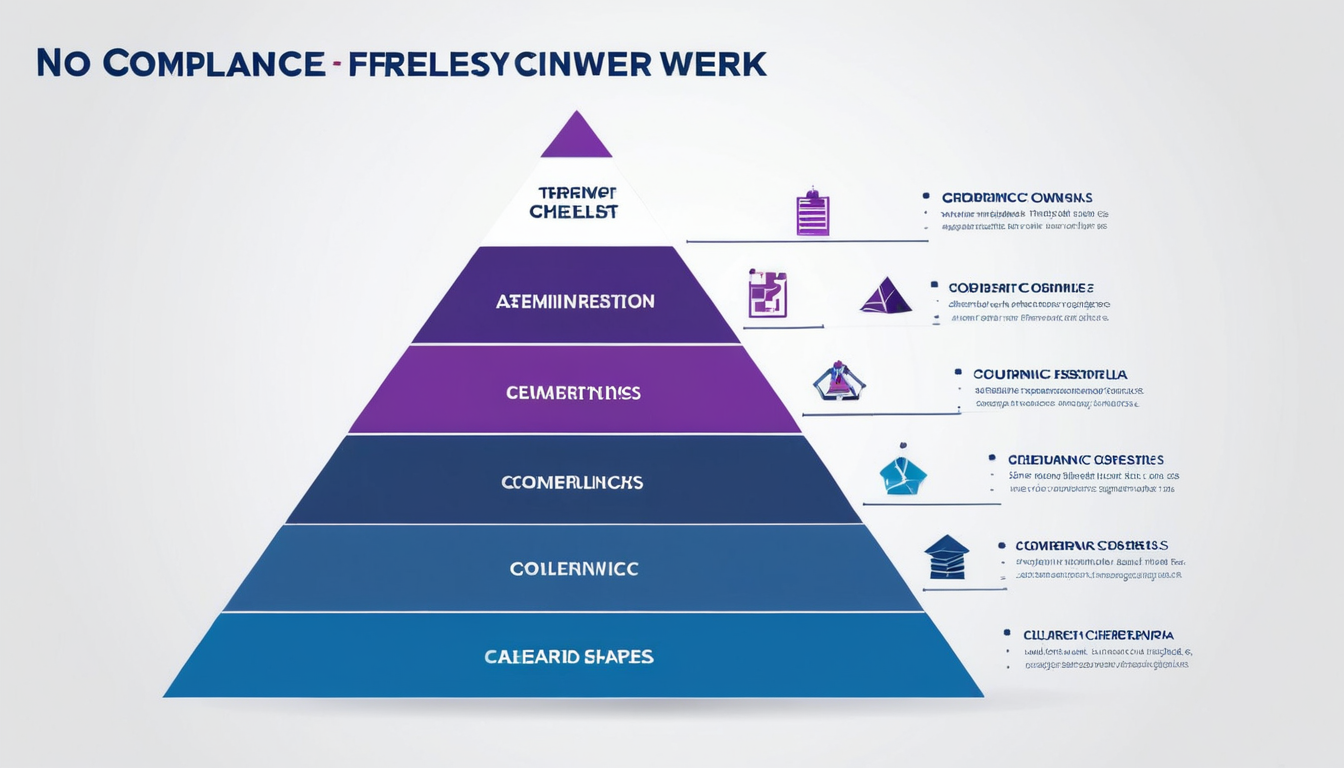
The integration of Artificial Intelligence (AI) technologies into various industries has revolutionized the way businesses operate. However, with the increasing use of AI-powered systems comes the concern of using confidential documents in these applications. The question arises: can confidential documents be used with AI APIs without compromising data security and compliance? As a business owner or data protection officer, it is essential to understand the risks involved and take necessary precautions to maintain secure data handling practices.
The Risks of Using Confidential Documents in AI APIs
Confidential documents contain sensitive information that, if exposed, can lead to significant financial losses, reputational damage, and even legal consequences. When sending confidential documents to external AI APIs, the primary risk is not the potential leak of confidential information but the loss of competitive advantage due to unauthorized disclosure.
For instance, imagine a scenario where a company sends confidential sales data to an AI-powered analytics tool without anonymizing or aggregating it. If the tool experiences a security breach, the sensitive information could be compromised, putting the company at risk of losing its competitive edge in the market.
Furthermore, the use of confidential documents with AI APIs can also raise compliance concerns. Businesses must adhere to relevant regulations, such as GDPR and HIPAA, which dictate how sensitive data should be handled. Non-compliance can result in severe penalties and reputational damage.
The Importance of Data Anonymization
One effective way to mitigate the risks associated with using confidential documents in AI APIs is through data anonymization. This process involves removing identifiable information from the documents, making them unusable for malicious purposes.
For example, a company can anonymize its sales data by removing customer names and addresses. This way, even if the AI tool experiences a security breach, the sensitive information remains protected.
Compliance with Data Protection Regulations
Businesses must comply with data protection regulations when handling confidential documents. This includes implementing internal control mechanisms and document classification systems to ensure that sensitive information is handled properly.
For instance, a company can establish clear policies for handling sensitive data and ensure that all stakeholders understand their roles and responsibilities in maintaining data security.
The Role of Encryption
Encryption is another essential measure to protect confidential documents used with AI APIs. This involves converting sensitive information into an unreadable format, making it inaccessible even in case of a security breach.
For example, a company can use end-to-end encryption to protect its sales data. This way, even if the AI tool experiences a security breach, the sensitive information remains encrypted and protected.
Best Practices for Handling Confidential Documents in AI APIs
To ensure secure data handling practices when using confidential documents with AI APIs, businesses must establish clear policies and guidelines. This includes implementing data anonymization, encryption, and internal control mechanisms to maintain compliance with data protection regulations.
Case Study: Anonymizing Sales Data
A company that sells high-end electronics decided to use AI-powered analytics tools to improve sales forecasting. However, they realized that sending raw sales data to the tool without anonymization posed significant risks.
The company then implemented a data anonymization process, removing identifiable information from the sales data. This way, even if the AI tool experiences a security breach, the sensitive information remains protected.
Conclusion and Next Steps
In conclusion, using confidential documents with AI APIs poses significant risks, including data breaches and non-compliance with data protection regulations. Businesses must take necessary precautions to maintain secure data handling practices, such as anonymization, encryption, and internal control mechanisms.
To implement these best practices, businesses should start by assessing their current data handling processes and identifying areas for improvement. This may involve re-evaluating their data classification systems, implementing new security protocols, and providing regular training to stakeholders on data protection regulations.