As artificial intelligence (AI) continues to transform industries, small business owners, developers, and entrepreneurs are increasingly turning to AI tokens as a means of harnessing the power of machine learning. However, understanding the pricing models behind these tokens can be daunting, especially for those without technical expertise. This article aims to demystify the world of AI token pricing models, providing a clear, step-by-step explanation to help beginners make informed decisions.
Types of AI Token Pricing Models
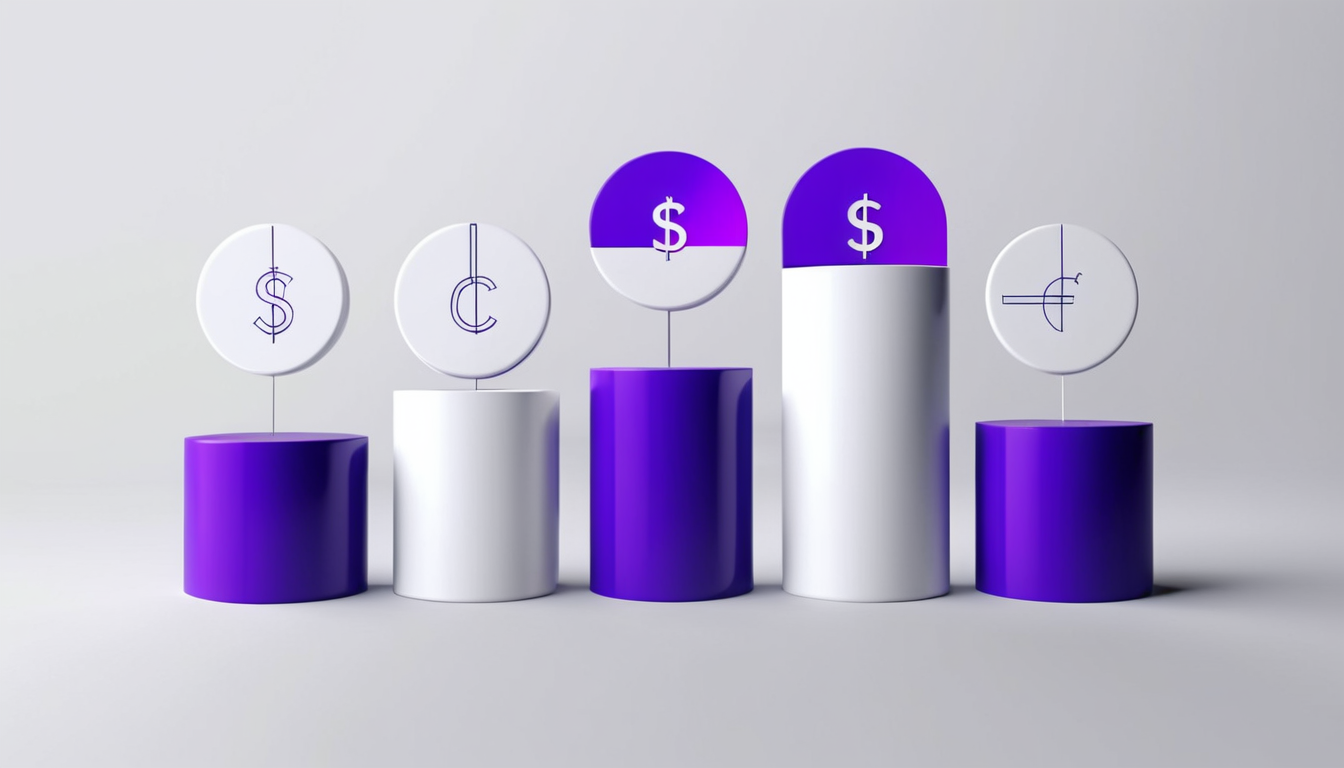
The two primary types of AI token pricing models are pay-as-you-go and subscription-based. Pay-as-you-go models charge users for each instance or usage, while subscription-based models require a flat fee for access to the AI services throughout the billing cycle.
Pay-as-you-go models offer flexibility, allowing businesses to only pay for what they use. This is particularly beneficial for companies with fluctuating workloads or those that need to scale rapidly. However, this model can result in higher costs over time, as users are charged for each usage instance.
Subscription-based models, on the other hand, provide predictability and cost savings by spreading fixed costs throughout the billing cycle. This type of pricing model is ideal for businesses with stable workloads or those seeking to make long-term commitments.
Pay-As-You-Go Pricing Model
One real-world application of the pay-as-you-go pricing model is the cloud-based AI services offered by Google Cloud. This platform allows users to only pay for the instance hours they use, making it an attractive option for businesses with variable workloads.

Benefits and Drawbacks of AI Token Pricing Models
Both pay-as-you-go and subscription-based models have their benefits and drawbacks. Pay-as-you-go pricing offers flexibility but can lead to higher costs over time, while subscription-based pricing provides predictability and cost savings at the expense of potential lock-in.
In terms of specific advantages, pay-as-you-go pricing allows for scalability without upfront commitments. This is particularly beneficial for start-ups or businesses with rapidly changing workloads. However, it also means that users are charged for each instance, which can lead to higher overall costs.
Subscription-based pricing, on the other hand, offers predictability and cost savings by spreading fixed costs throughout the billing cycle. This is ideal for businesses with stable workloads or those seeking to make long-term commitments. However, it also means that users may be locked into a contract and unable to scale up or down as needed.
Subscription-Based Pricing Model
A notable example of the subscription-based pricing model is Amazon Web Services (AWS). This platform offers users a range of AI services, including machine learning and natural language processing, for a flat fee per month. While this can provide cost savings and predictability, it also means that users are locked into a contract and unable to scale up or down as needed.
Choosing the Right AI Token Pricing Model for Your Business
Ultimately, the choice between pay-as-you-go and subscription-based pricing models depends on your business needs. If you require flexibility and scalability without upfront commitments, pay-as-you-go may be the better option.
However, if you have stable workloads or are willing to make long-term commitments, subscription-based pricing can provide cost savings and predictability. It is essential to weigh these factors carefully and consider your specific business needs before making a decision.
Actionable Conclusion
In conclusion, understanding AI token pricing models is crucial for businesses looking to harness the power of machine learning. By considering the benefits and drawbacks of both pay-as-you-go and subscription-based pricing models, you can make informed decisions that meet your specific business needs.