In today's digital landscape, businesses and developers are increasingly turning to artificial intelligence (AI) to enhance their products and services. However, the process of implementing AI can be overwhelming due to the numerous options available. Two popular approaches to AI implementation are AI API platforms and chat tools. While both have gained significant attention in recent years, they serve distinct purposes and cater to different needs.
AI API platforms are designed for business applications, providing programmable interfaces for integrating AI capabilities into systems and workflows. These platforms offer a high degree of customization, scalability, and control, making them ideal for enterprises with complex requirements. On the other hand, chat tools are primarily intended for personal use, offering user-friendly interfaces for individuals to interact with AI models.
Key Differences Between AI API Platforms and Chat Tools
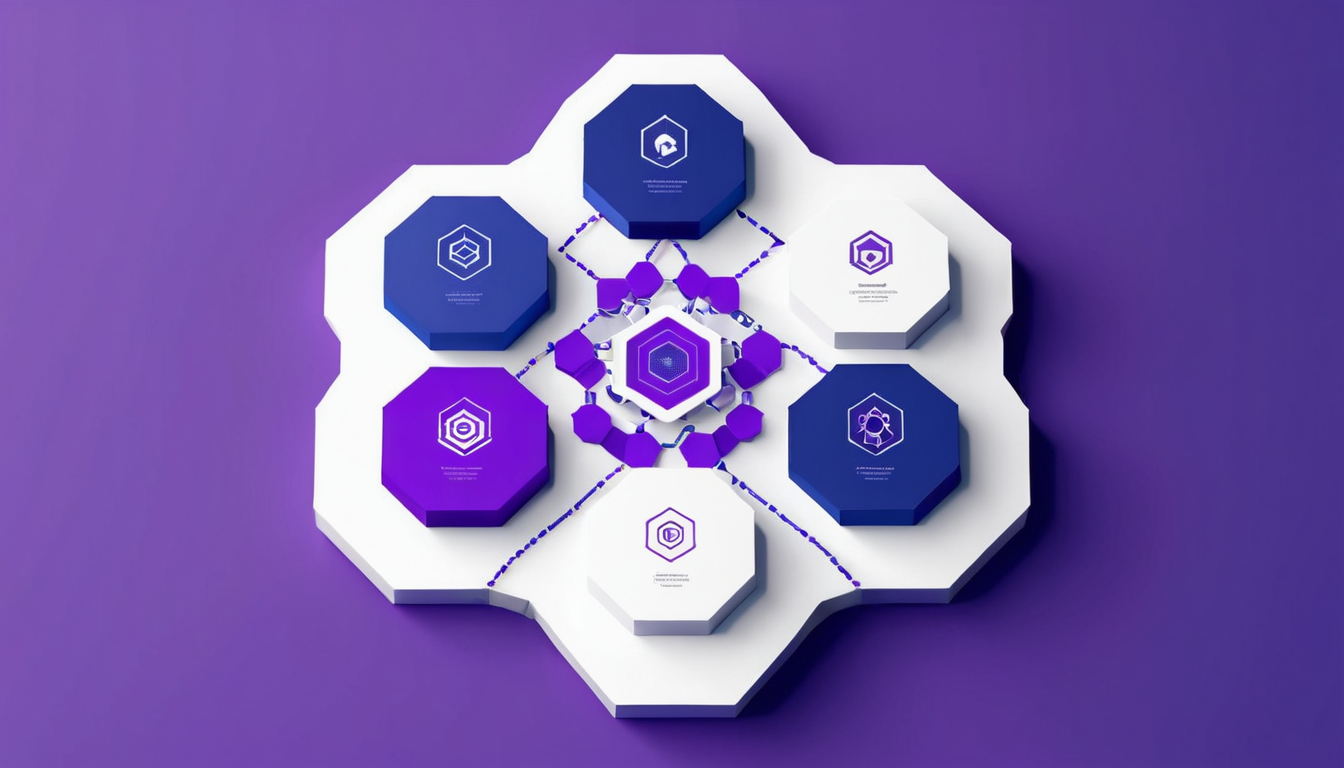
One of the primary differences between AI API platforms and chat tools is their purpose. AI API platforms are designed to provide a robust framework for integrating AI capabilities into business applications, while chat tools focus on facilitating user interactions with AI models.
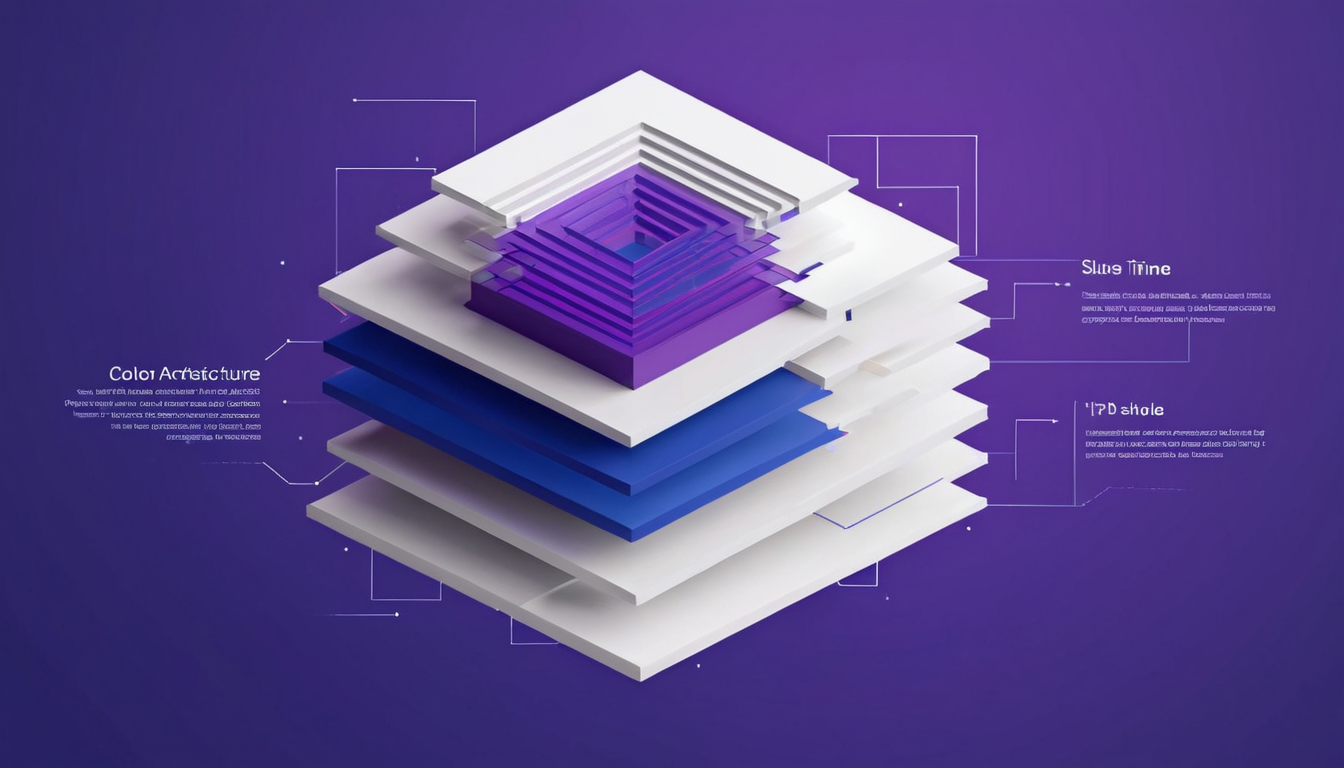
Another key distinction lies in the level of control and customization offered by each option. AI API platforms provide developers with extensive programmable interfaces, allowing for fine-grained control over AI capabilities. In contrast, chat tools offer a more user-friendly interface, but often limit customization options.
In terms of scalability and integration, AI API platforms are generally more complex and require significant development resources to integrate into existing systems. Chat tools, on the other hand, are typically easier to set up and integrate, but may lack the depth of customization offered by AI API platforms.
Pricing Comparison
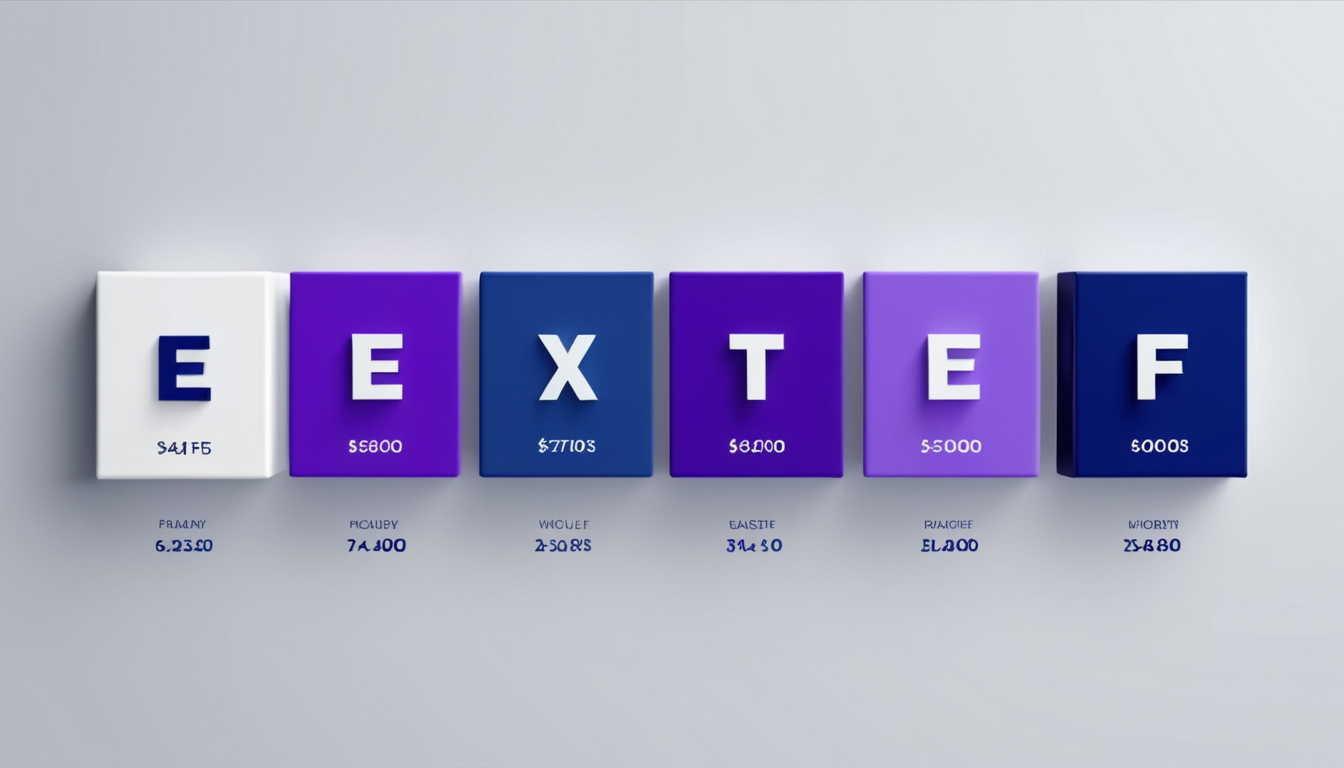
When it comes to pricing, AI API platforms tend to be more expensive than chat tools due to their complexity and scalability requirements. For instance, a leading AI API platform charges around $0.10 per token for its basic tier, while a popular chat tool offers 100 free tokens per month before scaling up to paid tiers.

Choosing Between AI API Platforms and Chat Tools: A Guide
So, how do businesses and developers choose between AI API platforms and chat tools? The answer lies in understanding the specific requirements of your project. If you need high-level customization, scalability, and control, an AI API platform may be the better choice.
However, if you're looking for a user-friendly interface with minimal setup and integration requirements, a chat tool could be the way to go. Ultimately, it's essential to weigh the pros and cons of each option based on your unique needs.
Real-World Examples
To illustrate the differences between AI API platforms and chat tools, let's consider two real-world examples. A leading e-commerce platform utilized an AI API platform to enhance its customer support features by integrating a conversational AI model.
In contrast, a popular messaging app employed a chat tool to offer users the ability to interact with AI-powered virtual assistants. While both implementations leveraged AI capabilities, they approached the problem from different angles.
Conclusion and Next Steps
In conclusion, AI API platforms and chat tools are two distinct approaches to implementing artificial intelligence in business applications. By understanding the key differences between these options, businesses and developers can make informed decisions about which solution best suits their needs.
If you're considering integrating AI into your product or service, we recommend evaluating both AI API platforms and chat tools. Assess your specific requirements, weigh the pros and cons of each option, and choose the solution that best aligns with your goals.