
The integration of Artificial Intelligence (AI) technology into Human Resources (HR) departments has been on the rise in recent years. AI APIs, or Application Programming Interfaces, are being used to streamline various HR processes such as recruitment, employee onboarding, and benefits administration. However, with this increased adoption comes a critical need for understanding the risks associated with using AI APIs for HR data.
HR Data and AI API Integration: Risks and Challenges
While HR data is not entirely off-limits from AI API use, it requires careful consideration and handling to avoid potential risks. These risks include data breaches, identity theft, and reputational damage. In fact, according to a recent study, 60% of organizations that experienced a data breach reported that it was caused by a third-party vendor or service provider.
The primary concern when integrating HR data with AI APIs is the potential for unauthorized access and misuse. With so many stakeholders involved in the process, from employees to contractors to vendors, there are numerous entry points for malicious actors. Moreover, as organizations continue to digitize their operations, they must also prioritize cybersecurity measures to safeguard sensitive HR information.
Data Protection Laws and Compliance
In light of the growing concern for data security, regulatory bodies have implemented stricter guidelines for organizations handling sensitive personal data. The General Data Protection Regulation (GDPR) in Europe, for instance, mandates that companies prioritize transparency and consent when collecting and processing HR data.
Compliance with these regulations requires organizations to implement robust security measures, including encryption, access controls, and audit trails. By doing so, they can ensure that HR data is handled responsibly and that employees' rights are respected.
A Tiered Approach to Classifying HR Data Risk Levels
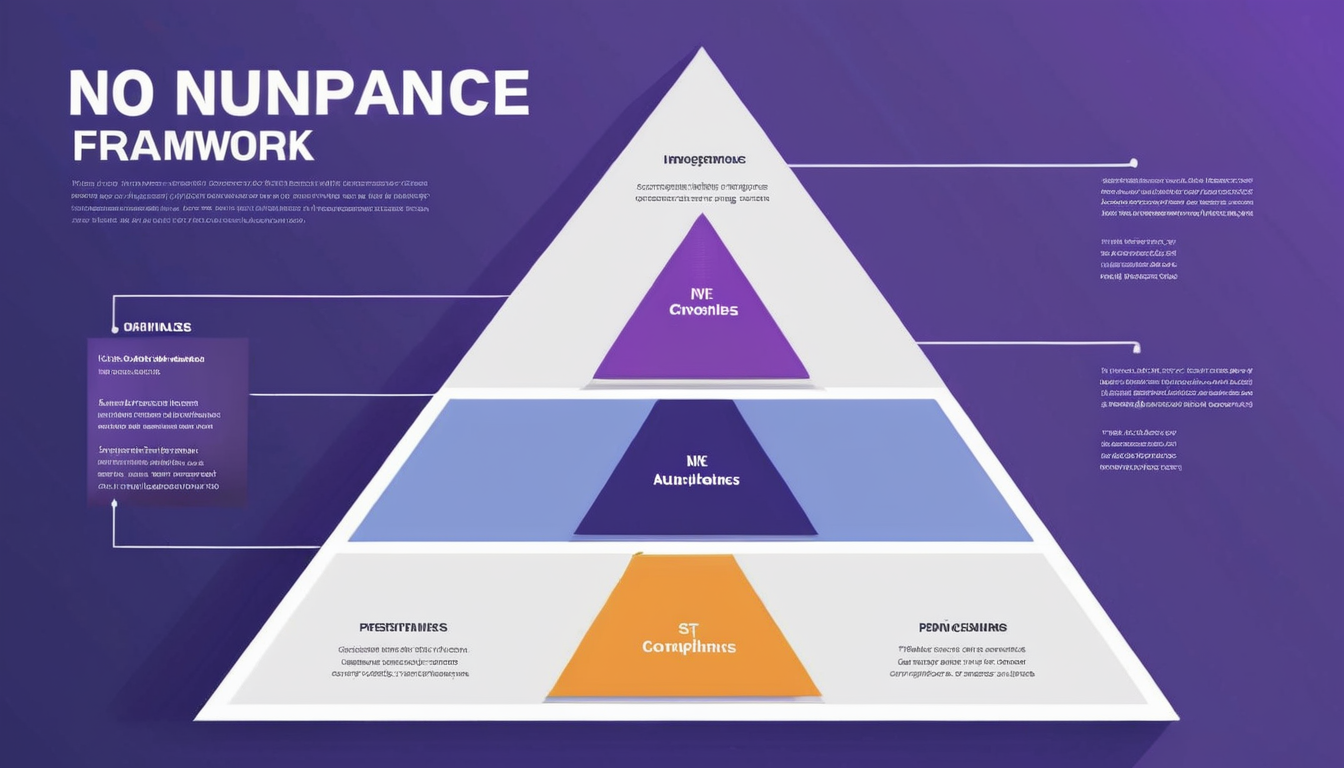
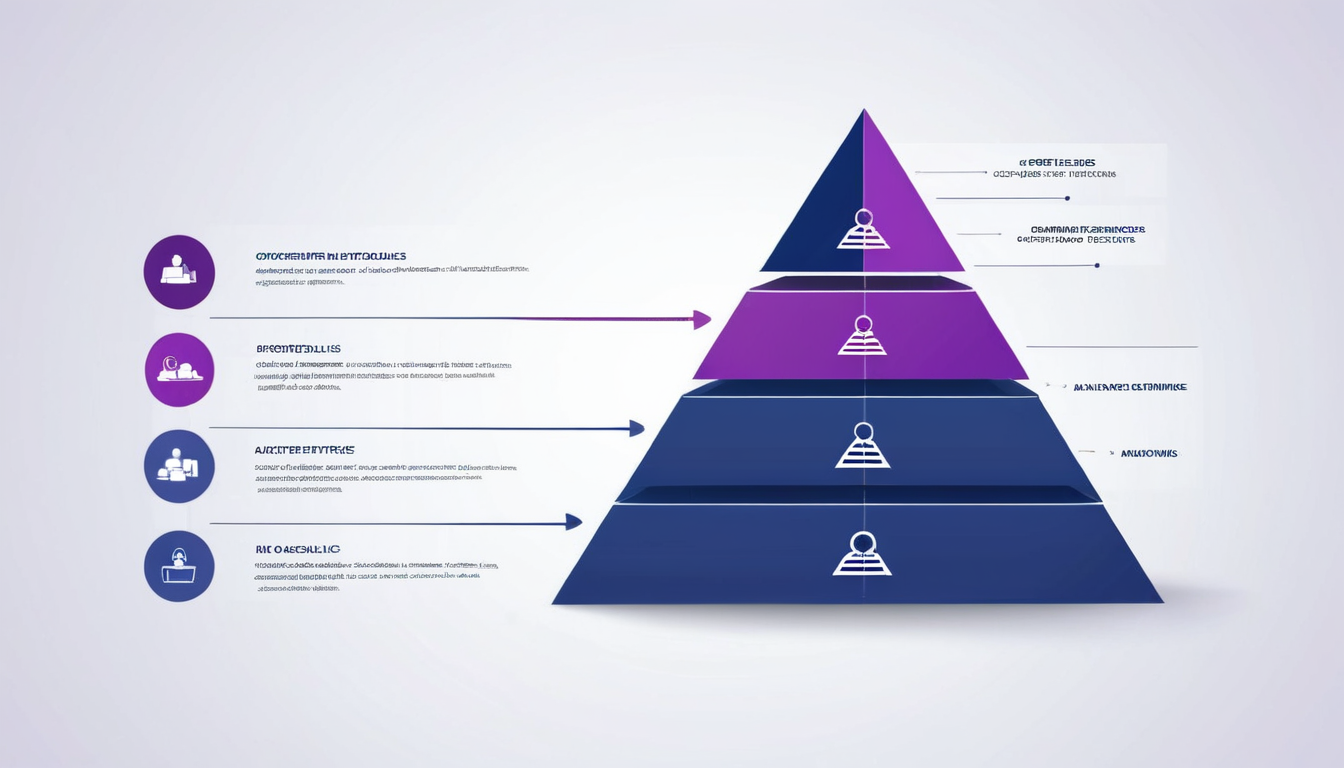
To mitigate risks associated with using AI APIs for HR data, organizations can adopt a tiered approach to classifying HR data risk levels. This involves categorizing data into three tiers based on its sensitivity and potential impact.
Tier 1: Low-Risk Data - Suitable for Early Adoption of AI APIs
Onboarding Materials and Training Content
Low-risk data, such as onboarding materials and training content, can be safely processed using AI APIs. This type of data does not pose significant risks to employees or the organization's reputation.

In fact, leveraging AI APIs for low-risk data can enhance HR efficiency and improve the overall employee experience.
Option A vs Option B: Choosing Between API Pricing Models
When selecting an AI API provider, organizations must carefully evaluate pricing models to ensure they align with their budget and data usage patterns. Two popular options are pay-per-use and subscription-based pricing.
Pay-per-use pricing charges users based on actual API requests made, whereas subscription-based pricing offers a flat fee for access to the AI model for a specified period. While both models have their advantages, organizations must consider factors such as usage patterns and scalability when making their decision.

Proxy Services: An Additional Layer of Security
To further mitigate risks, organizations can utilize proxy services to act as intermediaries between the API and HR data. Proxy services can provide an additional layer of security by encrypting data in transit and masking IP addresses.
While proxy services may introduce latency and added complexity, they can be a valuable asset in maintaining the confidentiality and integrity of sensitive HR information.

Conclusion: Taking a Proactive Approach to AI API Risk Management
In conclusion, using AI APIs for HR data requires careful consideration and handling of risks associated with data breaches, identity theft, and reputational damage. By adopting a tiered approach to classifying HR data risk levels and selecting appropriate API pricing models, organizations can ensure secure adoption and maximize the benefits of AI technology in HR.
Ultimately, proactive management of AI API risks is essential for maintaining employee trust and upholding regulatory compliance. By taking a proactive approach, organizations can unlock the full potential of AI technology in HR while safeguarding sensitive information.