When it comes to integrating AI models into applications, developers often face a critical decision: whether to use an OpenRouter or connect directly with individual model providers. The choice between these two approaches can significantly impact the performance, scalability, and security of an application. In this article, we will delve into the details of both options, highlighting their strengths, weaknesses, and key differences.
What is OpenRouter?
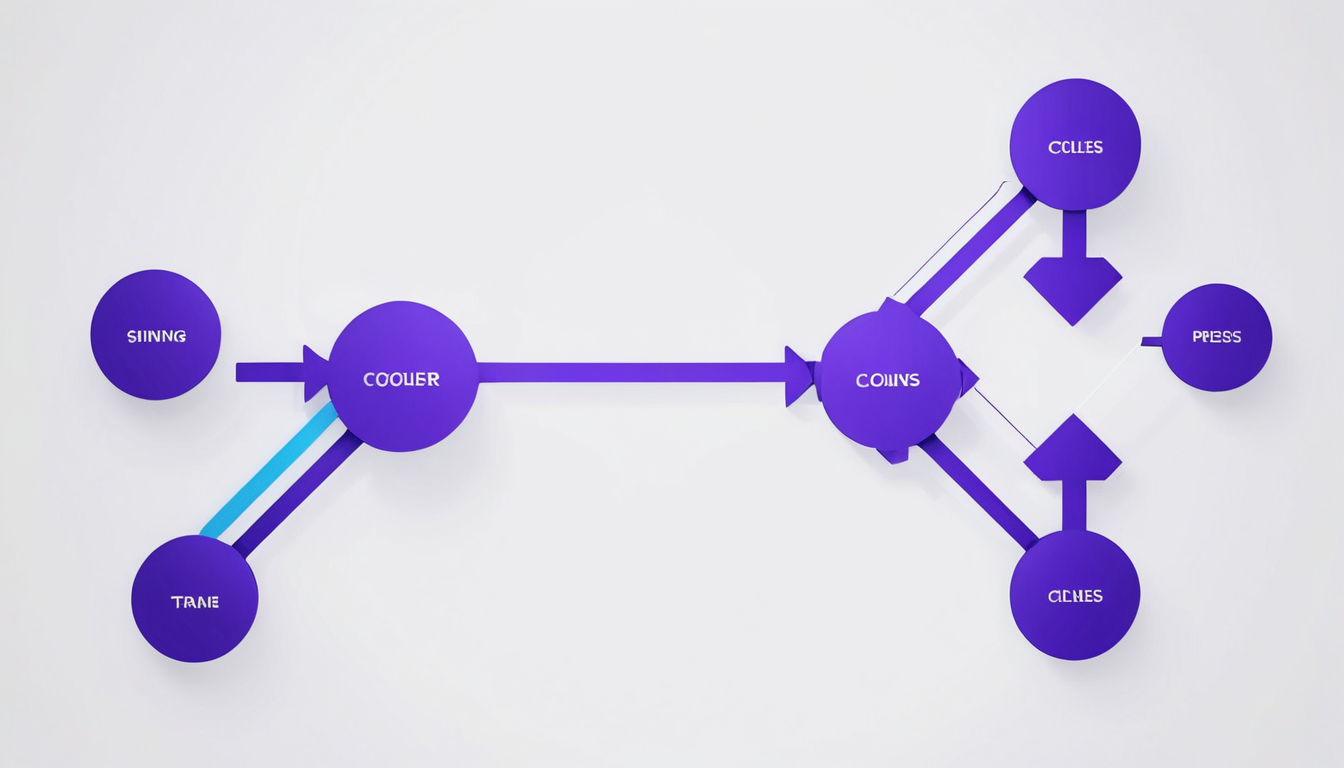
OpenRouter is a unified API gateway that aggregates multiple models from different providers. This approach offers several benefits, including simplified integration, reduced complexity, and improved scalability. By providing a single interface for accessing various AI models, OpenRouter enables developers to build more efficient and robust applications.
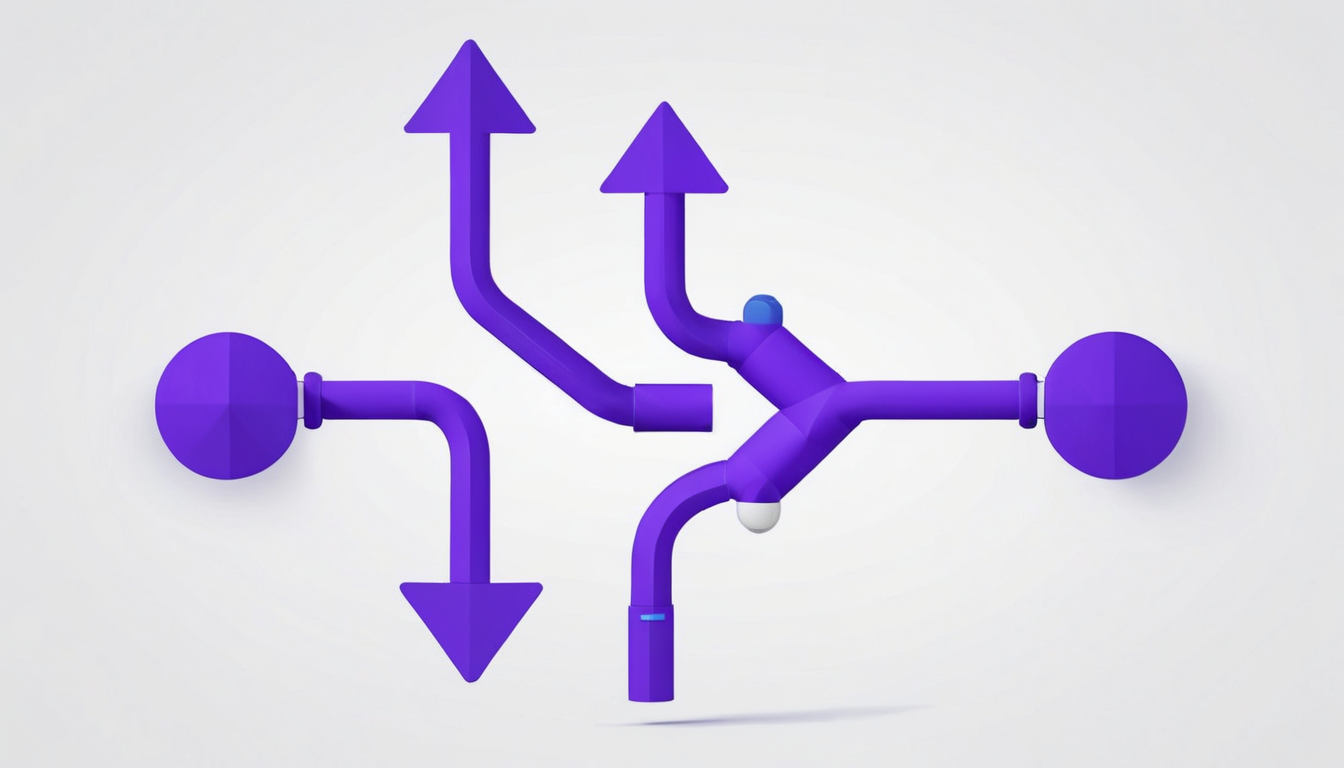
One of the primary advantages of using OpenRouter is its ability to handle provider routing and fallback options. This means that if one model provider experiences issues or becomes unavailable, the application can seamlessly switch to an alternative provider. Additionally, OpenRouter often provides BYOK (Bring Your Own Key) support, allowing developers to manage their own encryption keys and maintain control over sensitive data.
However, using OpenRouter also has some limitations. For instance, the unified interface may introduce latency due to increased network hops, and some model providers might not be compatible with OpenRouter's aggregation mechanism. Furthermore, developers need to consider the costs associated with using OpenRouter, including subscription fees for accessing aggregated models.
Benefits of Using OpenRouter
What is Direct API Integration?
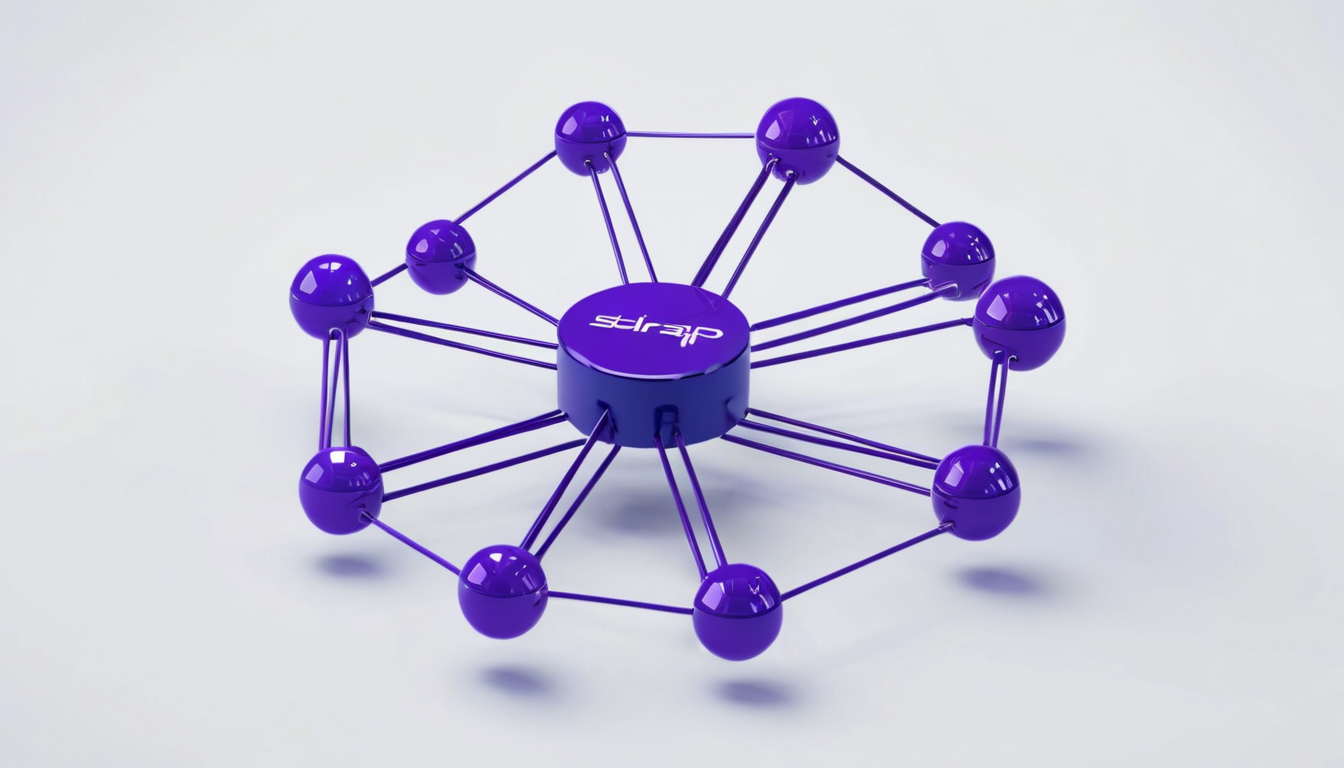
Direct API integration involves connecting directly with individual model providers. This approach offers several benefits, including reduced latency, increased control over data, and lower costs associated with using OpenRouter or other aggregation platforms.
One of the primary advantages of using direct API integration is its ability to provide deep binding with single providers. This means that developers can create highly optimized applications that leverage the specific strengths of individual model providers, resulting in improved performance and accuracy.
However, using direct API integration also has some limitations. For instance, developers need to manage multiple connections, handle provider-specific issues, and maintain control over sensitive data. Furthermore, direct API integration requires direct responsibility for data policy and law compliance, which can be a significant burden.
For example, let's consider a scenario where an application uses a popular language model from one provider. If the provider experiences issues or becomes unavailable, the application may suffer significantly due to the lack of fallback options and increased latency associated with direct API integration. In contrast, OpenRouter would enable the application to seamlessly switch to an alternative provider, minimizing downtime and ensuring continued functionality.
Comparison: OpenRouter vs Direct API Integration

Key Differences Between OpenRouter and Direct API Integration
The primary differences between OpenRouter and direct API integration lie in their approaches to provider routing, fallback options, and data retention policies. While OpenRouter offers a unified interface for accessing multiple models, direct API integration involves connecting directly with individual model providers.
Developers should carefully consider the trade-offs between these two approaches when building applications that rely on AI models. By weighing the benefits and limitations of each option, developers can make informed decisions about which approach best suits their specific needs and requirements.
Choosing Between OpenRouter and Direct API Integration
In conclusion, the choice between OpenRouter and direct API integration depends on the specific requirements of an application. If developers prioritize simplicity, scalability, and reduced complexity, OpenRouter may be the better option. However, if they require deep binding with single providers, direct API integration might be more suitable.
Ultimately, a thorough understanding of both options is essential for making an informed decision. By considering the strengths and weaknesses of each approach, developers can build applications that are optimized for performance, scalability, and security.
Conclusion
In this article, we have explored the differences between OpenRouter and direct API integration for AI model usage. By understanding the benefits and limitations of each approach, developers can make informed decisions about which option best suits their specific needs.
To summarize: OpenRouter offers a unified interface for accessing multiple models, while direct API integration involves connecting directly with individual providers. While both options have their strengths and weaknesses, careful consideration of the trade-offs between them is essential for building applications that are optimized for performance, scalability, and security.
We hope this article has provided valuable insights into the world of AI technology and API integration. Remember to weigh the benefits and limitations of each approach when making your decision, and don't hesitate to reach out if you have any further questions or concerns.