
As healthcare institutions increasingly adopt artificial intelligence (AI) technologies to improve patient care, medical research, and operational efficiency, the use of AI APIs has become a critical aspect of their digital transformation. However, with the growing reliance on AI APIs comes a new set of risks and challenges that must be carefully managed to ensure the secure use of sensitive medical data. The primary concern is the potential for unauthorized access, misuse, or disclosure of protected health information (PHI), which can lead to serious consequences, including reputational damage, financial losses, and compromised patient trust.
Data Security and Compliance: The Foundation of AI API Adoption
Before implementing an AI API in a healthcare institution, it is essential to conduct thorough risk assessments and ensure that all stakeholders understand the associated risks. This involves identifying potential vulnerabilities in data security, such as unsecured APIs, inadequate access controls, or insufficient encryption methods. Moreover, healthcare institutions must also be aware of relevant regulations, such as HIPAA (Health Insurance Portability and Accountability Act) in the United States, which governs the secure handling of PHI.
Compliance with regulatory requirements is a critical aspect of AI API adoption. Healthcare institutions must implement measures to ensure that data processing and storage comply with relevant laws and regulations. This includes documenting policies and procedures, conducting regular audits, and implementing incident response plans in case of data breaches or other security incidents.
To mitigate the risks associated with AI API adoption, healthcare institutions can implement various strategies, such as secure data transmission protocols, robust access controls, and encryption methods. Additionally, they should engage with experienced vendors who offer high-quality, compliant solutions that meet their specific needs.
Best Practices for Data Anonymization
Data anonymization is a critical aspect of AI API adoption in healthcare institutions. To protect patient privacy, data must be de-identified before sharing or using it with external vendors or services. This can involve removing direct identifiers, such as names and dates of birth, as well as indirect identifiers like address information.
When selecting an AI API provider, healthcare institutions should look for vendors that offer robust data anonymization tools and methods. This includes evaluating their de-identification techniques, ensuring they meet relevant regulatory requirements, and confirming that the vendor can provide detailed explanations of how they process sensitive data.
AI API Deployment: Balancing Patient Privacy with Data Sharing Needs
The deployment of AI APIs in healthcare institutions requires a delicate balance between patient privacy and the need for data sharing. While protecting PHI is essential, healthcare institutions also need to ensure they can share necessary information with authorized vendors or services.
To achieve this balance, healthcare institutions should implement robust access controls and secure data transmission protocols. They must also clearly communicate their data sharing policies to all stakeholders, including patients, staff members, and external partners.
Choosing the Right Deployment Path
Selecting the right deployment path for an AI API is crucial to ensure effective integration with existing systems. Healthcare institutions should consider factors like scalability, interoperability, and vendor support when choosing a solution.

To mitigate the risks associated with AI API adoption, healthcare institutions can also engage with experienced vendors who offer high-quality, compliant solutions that meet their specific needs.
Understanding HIPAA and Google Cloud's Compliance Framework
HIPAA is a critical regulation for healthcare institutions in the United States, governing the secure handling of PHI. Healthcare institutions must be aware of their obligations under HIPAA, including conducting regular risk assessments, implementing robust access controls, and documenting policies and procedures.
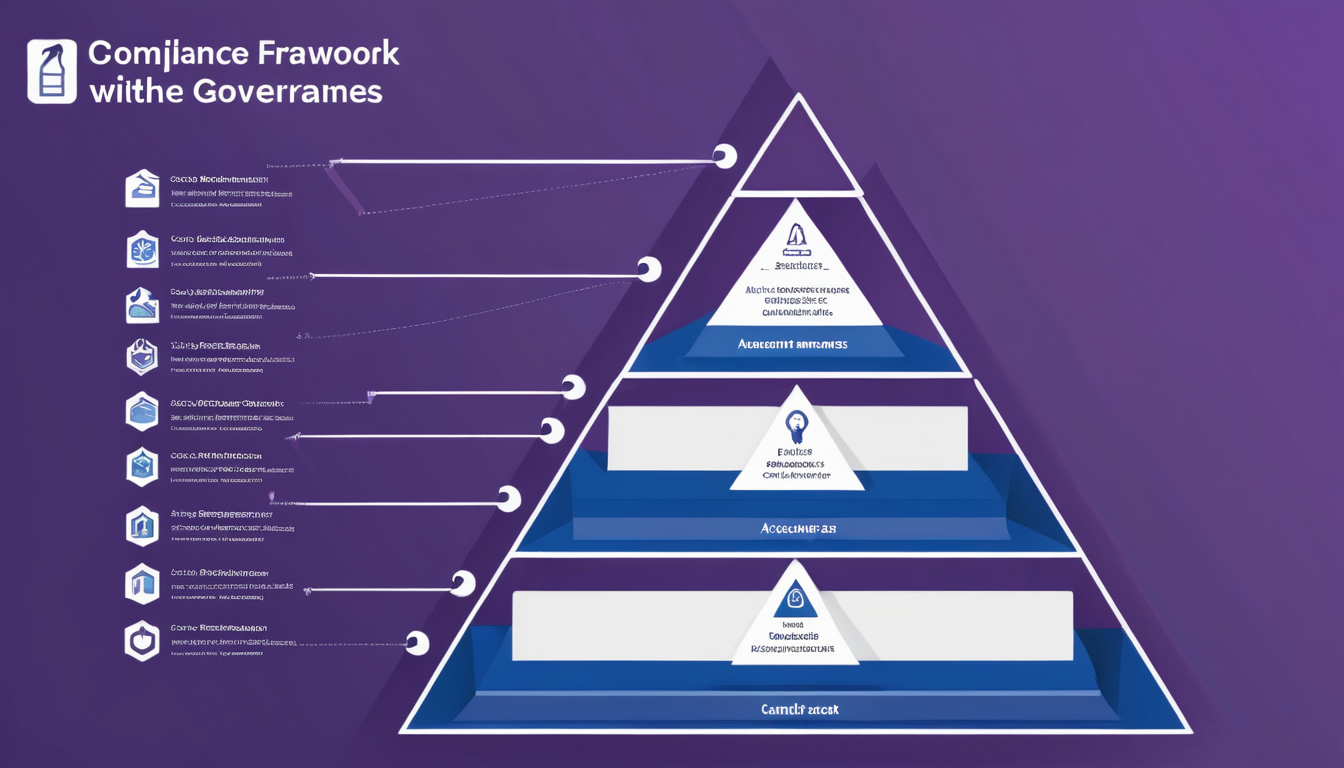
Google Cloud's compliance framework provides healthcare institutions with a structured approach to ensuring regulatory compliance. By understanding the components of this framework, healthcare institutions can ensure they are meeting their obligations under HIPAA and other relevant regulations.

To conclude, AI API adoption in healthcare institutions requires careful consideration of data security and compliance. By understanding the associated risks, implementing robust access controls, and selecting high-quality, compliant solutions, healthcare institutions can ensure the secure use of sensitive medical data.
Healthcare institutions should prioritize data anonymization, choose the right deployment path, and engage with experienced vendors who offer compliant solutions. Furthermore, they must understand HIPAA regulations and Google Cloud's compliance framework to ensure regulatory compliance.
Conclusion
The adoption of AI APIs in healthcare institutions is a complex process that requires careful consideration of data security and compliance. By following the guidance outlined in this article, healthcare professionals can ensure the secure use of medical data and minimize the risks associated with AI API adoption.
To take the next step, healthcare institutions should conduct a thorough risk assessment, evaluate their existing systems and processes, and engage with experienced vendors who offer high-quality, compliant solutions. By doing so, they can ensure that their AI API adoption meets the highest standards of data security and compliance.